
Pay-Per-Click

Get Instant Traffic with Smart PPC Campaigns
- We will work with you to develop the best PPC (Pay-Per-Click) optimization strategy depending on your business goals, budget, platform (Google Ads, Bing, Meta, etc).
- At Ironcast solutions we have developed our unique proprietary approach for PPC, that includes the following 10 key components:
🔁 1. Continuous Keyword Refinement
- Add high-performing search terms as exact match keywords.
- Pause or lower bids on underperformers (low CTR or conversion rate).
- Use negative keywords aggressively to eliminate wasteful spend.
- Focus on long-tail keywords for better intent and lower CPC.
📊 2. Conversion Tracking & Attribution
- Implement conversion tracking (Google Ads, Meta Pixel, etc.)
- Use offline conversion imports if applicable (e.g. for B2B/sales).
- Evaluate performance via data-driven attribution models (not just last-click).
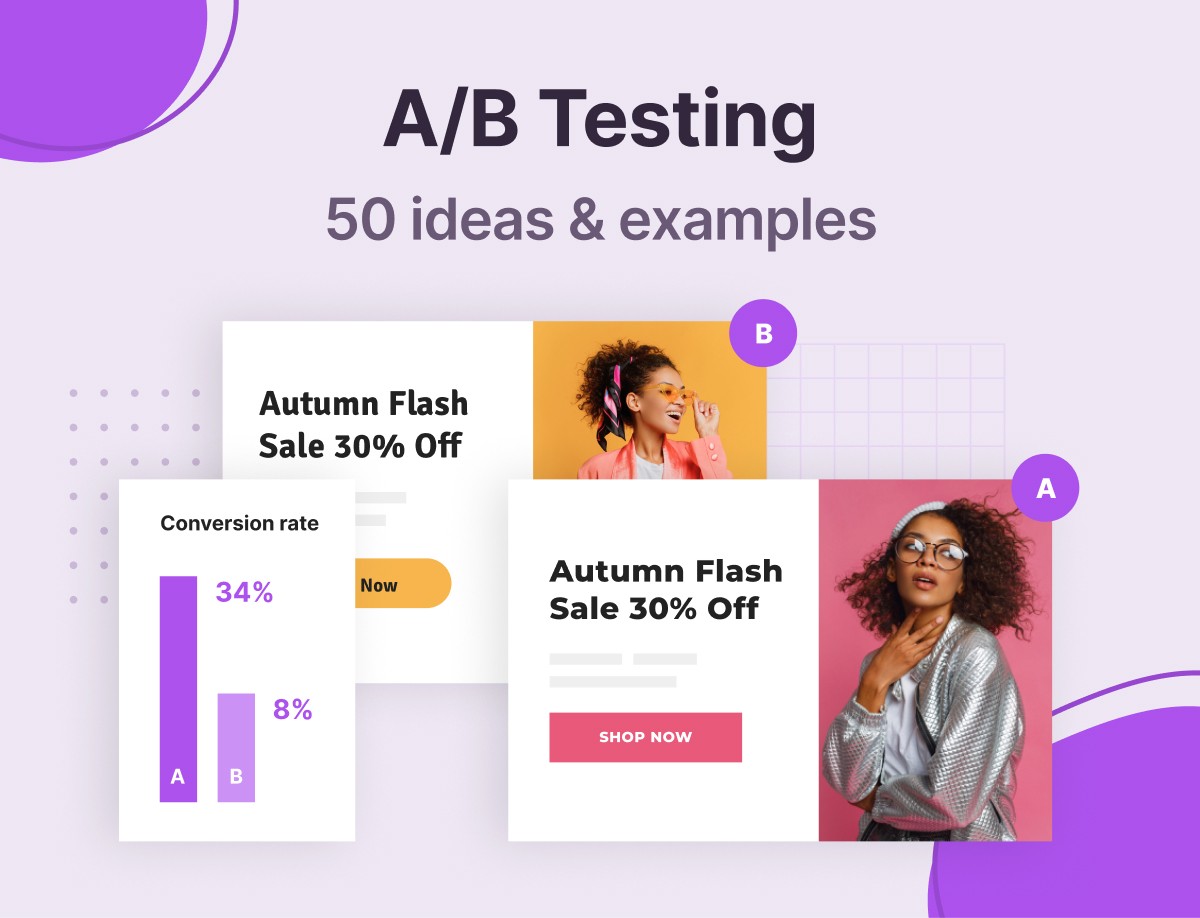
✍️ 3. Ad Copy Testing (A/B Testing)
- Run A/B tests on headlines, CTAs, and display URLs.
- Include keywords in the ad copy to improve Quality Score.
- Rotate ads evenly to gather data, then optimize for conversions.
🎯 4. Smart Bidding with Manual Oversight
- Use automated bidding strategies (e.g. tCPA, tROAS) once enough data is collected.
- Monitor performance and override bids manually if algorithms underperform.
- Segment campaigns to apply different bid strategies to different funnel stages.
📱 5. Device, Location, and Time Adjustments
- Adjust bids based on device performance (e.g. lower bids for tablets if ROAS is low).
- Use geo-targeting to concentrate spend in high-ROI regions.
- Analyze dayparting data and set ad schedules based on conversion trends.
✍️ 3. Ad Copy Testing (A/B Testing)
- Run A/B tests on headlines, CTAs, and display URLs.
- Include keywords in the ad copy to improve Quality Score.
- Rotate ads evenly to gather data, then optimize for conversions.
🎯 4. Smart Bidding with Manual Oversight
- Use automated bidding strategies (e.g. tCPA, tROAS) once enough data is collected.
- Monitor performance and override bids manually if algorithms underperform.
- Segment campaigns to apply different bid strategies to different funnel stages.
📱 5. Device, Location, and Time Adjustments
- Adjust bids based on device performance (e.g. lower bids for tablets if ROAS is low).
- Use geo-targeting to concentrate spend in high-ROI regions.
- Analyze dayparting data and set ad schedules based on conversion trends.

📈 6. Landing Page Optimization
- A high CTR ad + poor landing page = wasted budget.
- Ensure message match between ad and page.
- Improve page speed, mobile usability, and form UX.
- A/B test elements like headlines, CTAs, and lead capture fields
🧠 7. Audience Layering
- Target custom audiences (e.g. email lists, site visitors, lookalikes).
- Use in-market and affinity audiences for more qualified traffic.
- Adjust bids for returning vs new visitors.
📦 8. Segment by Campaign Type
- Separate brand vs non-brand, search vs display, prospecting vs retargeting.
- This enables tighter control, clearer attribution, and customized budget allocation.
🧪 9. Use Experiments (Google Ads)
- Test new bidding strategies, ad formats, or landing pages using Google Ads Experiments to avoid harming performance during testing.
🔍 10. Weekly Optimization Routine
- Check search terms report.
- Review placement exclusions for display ads.
- Adjust budget allocation based on performance.
- Review Quality Score trends and improve where necessary