
Search Engine Optimization

We will work with you to develop the best PPC (Pay-Per-Click) optimization strategy depending on your business goals, budget, platform (Google Ads, Bing, Meta, etc).
At Ironcast solutions we have developed our unique proprietary approach for PPC, that includes the following 10 key components:
🔁 1. Continuous Keyword Refinemen
- Add high-performing search terms as exact match keywords.
- Pause or lower bids on underperformers (low CTR or conversion rate).
- Use negative keywords aggressively to eliminate wasteful spend.
- Focus on long-tail keywords for better intent and lower CPC.
📊 2. Conversion Tracking & Attribution
- Implement conversion tracking (Google Ads, Meta Pixel, etc.)
- Use offline conversion imports if applicable (e.g. for B2B/sales).
- Evaluate performance via data-driven attribution models (not just last-click).
✍️ 3. Ad Copy Testing (A/B Testing)
- Run A/B tests on headlines, CTAs, and display URLs.
- Include keywords in the ad copy to improve Quality Score.
- Rotate ads evenly to gather data, then optimize for conversions.
🎯 4. Smart Bidding with Manual Oversight
- Use automated bidding strategies (e.g. tCPA, tROAS) once enough data is collected.
- Monitor performance and override bids manually if algorithms underperform.
- Segment campaigns to apply different bid strategies to different funnel stages.
📱 5. Device, Location, and Time Adjustments
- Adjust bids based on device performance (e.g. lower bids for tablets if ROAS is low).
- Use geo-targeting to concentrate spend in high-ROI regions.
- Analyze dayparting data and set ad schedules based on conversion trends.
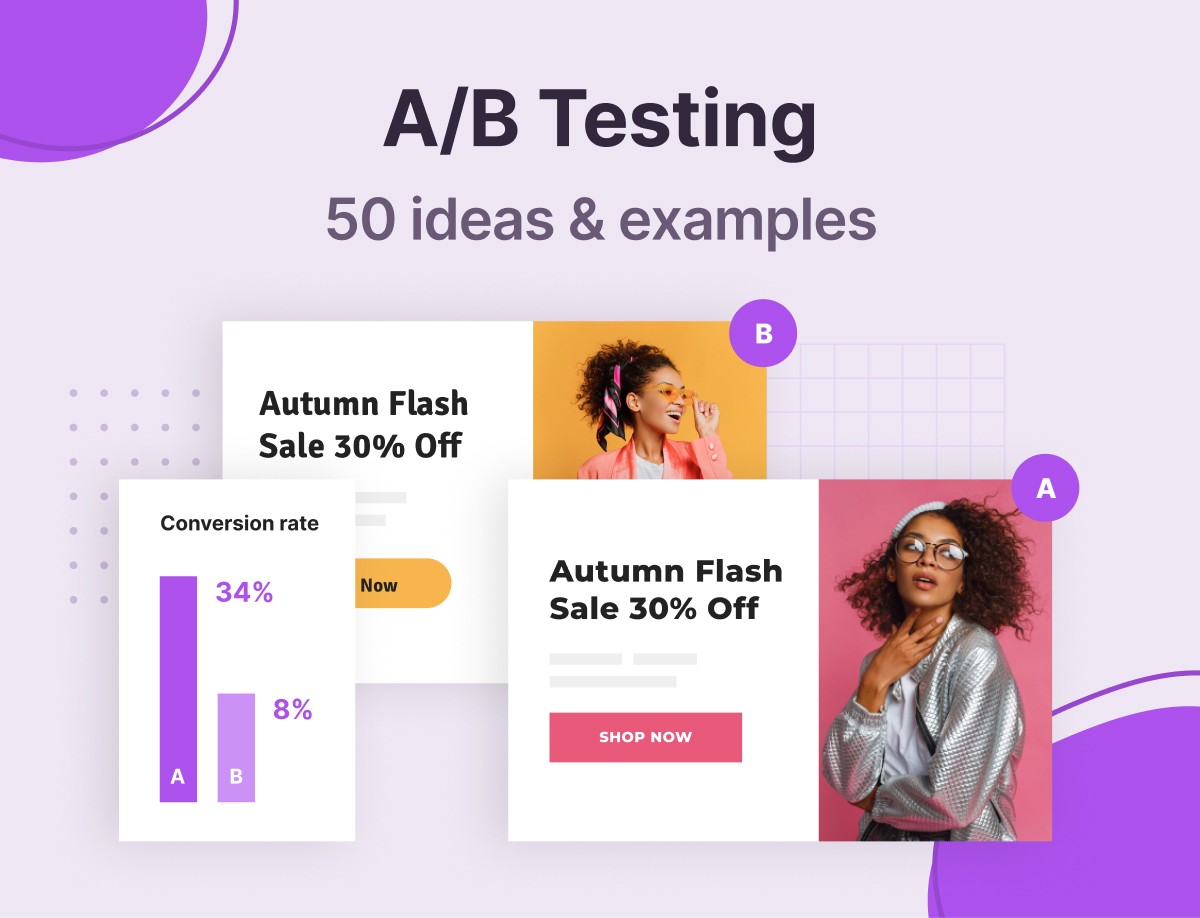
✍️ 3. Ad Copy Testing (A/B Testing)
- Run A/B tests on headlines, CTAs, and display URLs.
- Include keywords in the ad copy to improve Quality Score.
- Rotate ads evenly to gather data, then optimize for conversions.
🎯 4. Smart Bidding with Manual Oversight
- Use automated bidding strategies (e.g. tCPA, tROAS) once enough data is collected.
- Monitor performance and override bids manually if algorithms underperform.
- Segment campaigns to apply different bid strategies to different funnel stages.
📱 5. Device, Location, and Time Adjustments
- Adjust bids based on device performance (e.g. lower bids for tablets if ROAS is low).
- Use geo-targeting to concentrate spend in high-ROI regions.
- Analyze dayparting data and set ad schedules based on conversion trends.
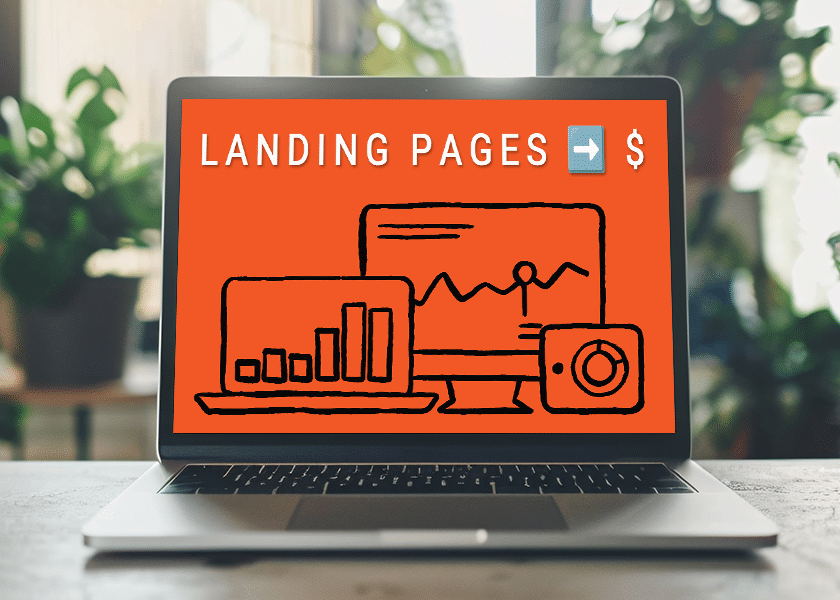
📈 6. Landing Page Optimization
- A high CTR ad + poor landing page = wasted budget.
- Ensure message match between ad and page.
- Improve page speed, mobile usability, and form UX.
- A/B test elements like headlines, CTAs, and lead capture fields
🧠 7. Audience Layering
- Target custom audiences (e.g. email lists, site visitors, lookalikes).
- Use in-market and affinity audiences for more qualified traffic.
- Adjust bids for returning vs new visitors.
📦 8. Segment by Campaign Type
- Separate brand vs non-brand, search vs display, prospecting vs retargeting.
- This enables tighter control, clearer attribution, and customized budget allocation.
🧪 9. Use Experiments (Google Ads)
- Test new bidding strategies, ad formats, or landing pages using Google Ads Experiments to avoid harming performance during testing.
🔍 10. Weekly Optimization Routine
- Check search terms report.
- Review placement exclusions for display ads.
- Adjust budget allocation based on performance.
- Review Quality Score trends and improve where necessary
🧪 9. Use Experiments (Google Ads)
- Test new bidding strategies, ad formats, or landing pages using Google Ads Experiments to avoid harming performance during testing.
🔍 10. Weekly Optimization Routine
- Check search terms report.
- Review placement exclusions for display ads.
- Adjust budget allocation based on performance.
- Review Quality Score trends and improve where necessary